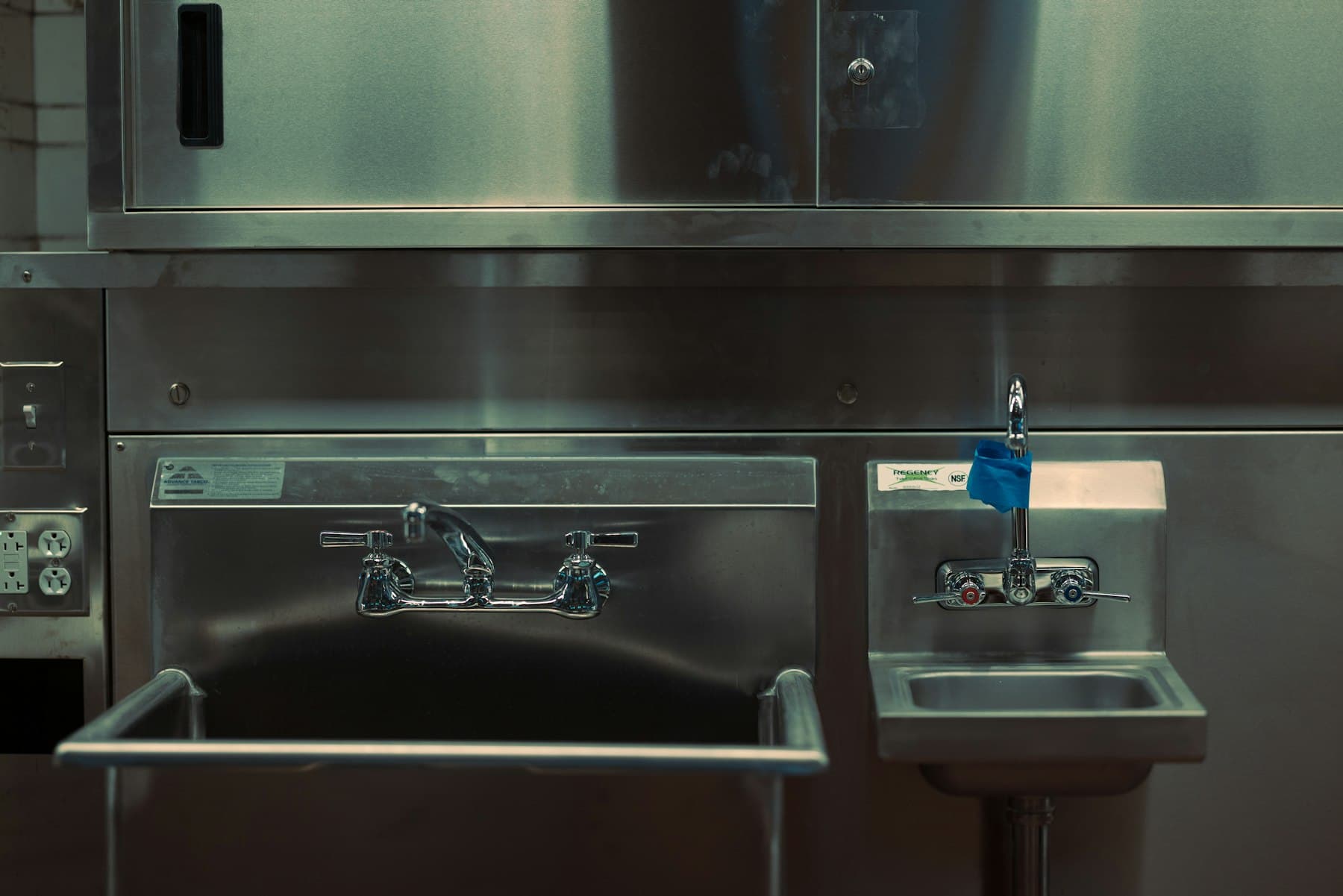
Grease trap cleaning
Grease traps keep fats, oils and grease out of the sewer. When they fill up, they overflow, smell, and can bring fines from your local sewer authority.
Indoor traps vs outdoor interceptors
Small under-sink traps are usually cleaned often, sometimes by staff. Large in-ground interceptors are pumped by a licensed hauler with a vacuum truck.
How often
It depends on the trap's size and how much grease your kitchen produces. Many local sewer authorities use a 25% rule — pump when grease and solids fill a quarter of the trap — and some set fixed schedules and require pumping records. Check with your city or wastewater utility.
What to ask
- Do you pump the whole trap, not just skim the top?
- Do you provide a service manifest or pumping record?
- Where is the grease disposed of?
- Can you set up a recurring schedule?
Guides
Questions
Does FirstBearing pump grease traps?
No — we connect you with independent local companies that do. Free, no obligation.
Get free quotes from local companies
Tell us about your kitchen in about two minutes. Free, no obligation.
Get free quotes